
Reviewed by Daniella Eboson, Chemist
How often should you actually wash your hair?
Wash less is one of the first rules many of us learn, and it comes from a good place.
Afro-textured hair can be more vulnerable to dryness and breakage, particularly along the lengths and ends. Frequent washing, harsh shampoos and repeated manipulation can make that worse. For many, stretching wash day can be a sensible way to protect the hair.
The scalp is a different matter.
It’s skin. It produces oil, sheds skin cells and hosts its own community of microbes. Sweat and styling products build up there too. What happens between washes isn’t necessarily a problem. If your scalp is comfortable, there may be nothing to fix. But if you regularly deal with flaking, itching or discomfort, the gap between your washes is worth a second look.
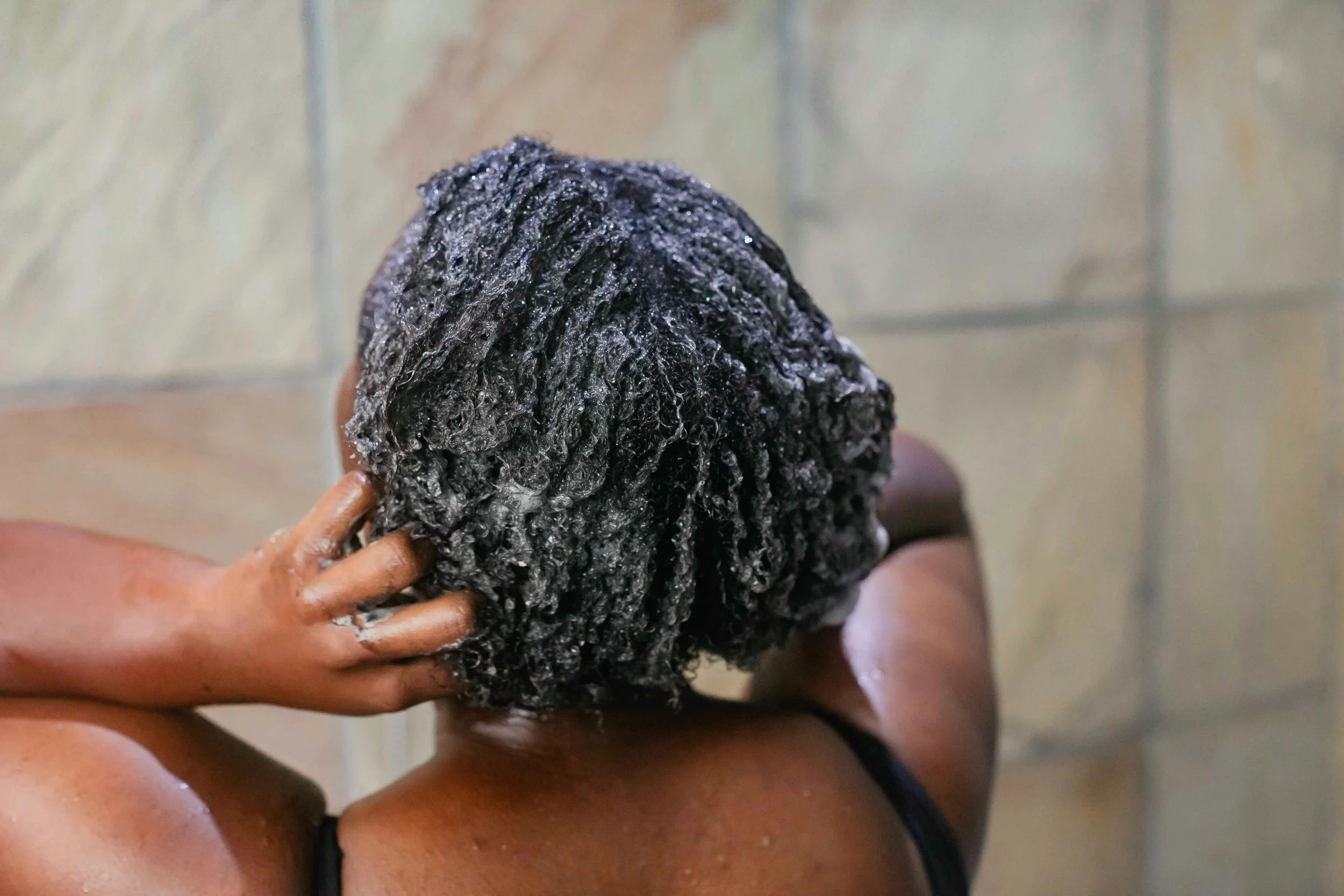
What happens to the scalp between washes?
A 2012 study by Beach and colleagues at the University of Cape Town measured inflammatory markers, including IL-1α, on the scalps of 36 women and used tape strips to collect surface sebum.
IL-1α is a signaling protein involved in communication between cells. It's part of the body's inflammatory response and can be released by skin cells when they're stressed or damaged.
They found that IL-1α levels were relatively high at baseline compared to another anti-inflammatory cytokine they also measured. After shampooing, the IL-1α levels decreased. At follow-up, approximately a week later, IL-1α levels had increased again.
The researchers were careful about what they concluded. This was a small study, it measured markers rather than outcomes, and it didn’t prescribe a wash schedule.
What the study does tell us is more modest, but still useful: the biological environment at the scalp surface can change between washes.
What does newer research say
A 2024 study looked at what happens on the scalp around a hair wash.
Researchers followed 60 women of African descent and examined what happened when they washed their hair weekly. They measured dandruff, scalp discomfort and the microbial environment on the scalp.
Dandruff went hand in hand with more Malassezia (a yeast that lives on everyone’s scalp) and more bacteria overall.
After a wash, dandruff and itching improved. Itching was the most common discomfort.
The improvement didn’t last. Dandruff peaked about a week after washing, and the researchers recommended weekly washing for long-term management.
The two studies are useful for different reasons. The 2012 research gives us a glimpse of changes in inflammatory markers between washes. The 2024 study gives us evidence about something people can actually feel and see.
Is your scalp telling you something?
Dandruff has more than one contributing factor. Persistent flaking, itching, redness or tenderness may point to a scalp condition that needs targeted treatment, rather than a change in washing frequency alone.
If you're going weeks between washes and routinely notice flakes, itching or discomfort, though, it may be worth shortening the interval. Based on the 2024 study, weekly washing is a reasonable place to start.
If symptoms continue despite a sensible cleansing routine or if you're experiencing pain, significant inflammation or hair loss it's worth speaking to a dermatologist rather than continually changing your wash schedule.
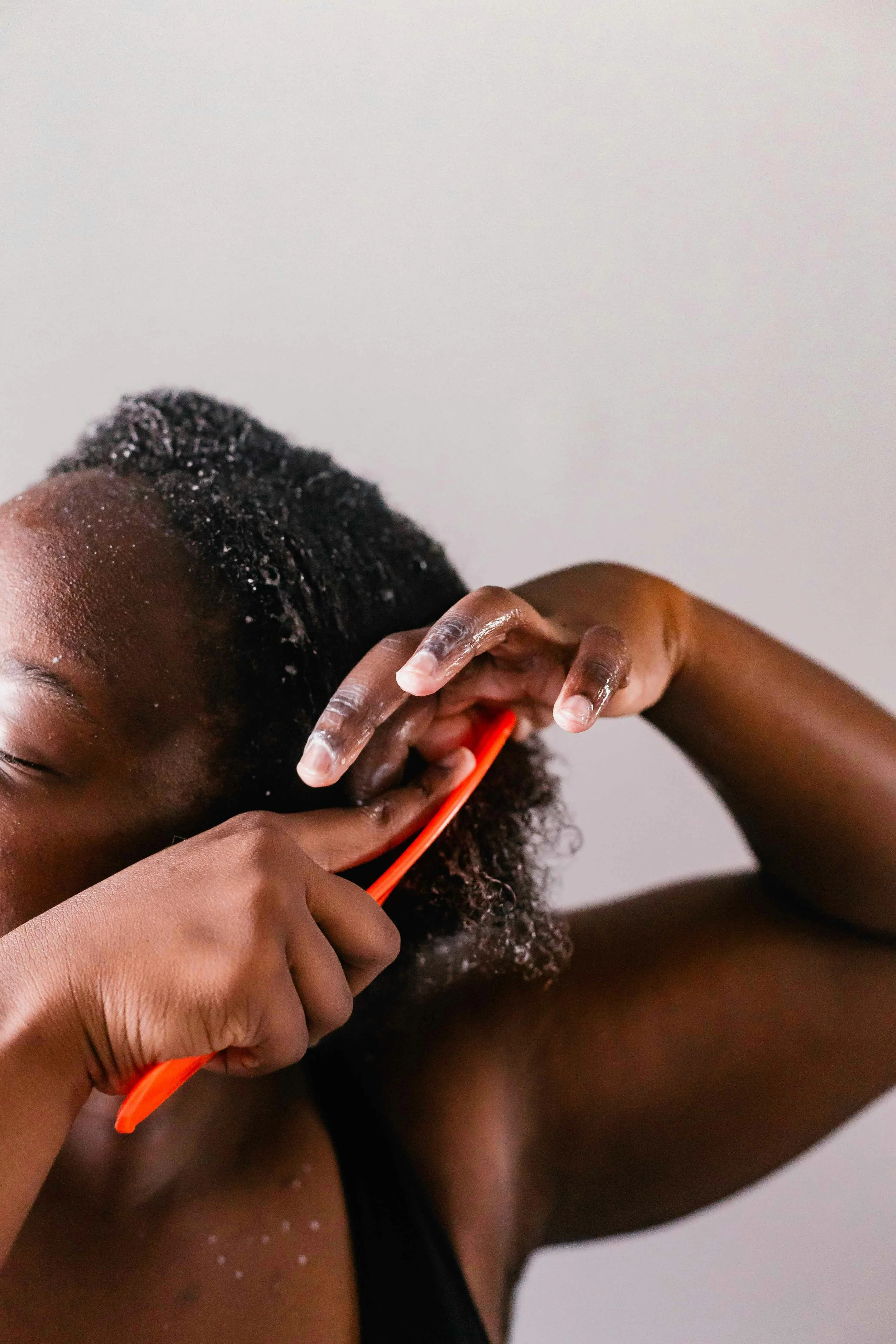
So, how often should you wash?
There isn’t one correct answer for everyone.
If your scalp is comfortable, isn’t excessively flaky or itchy, and your current routine is working for you, then there’s no obvious reason to change it.
But, if dandruff or scalp discomfort and itching is an issue, weekly washing is a reasonable starting point. The research gives you a reason to reconsider a long interval between washes.
If weekly washing does not sufficiently improve dandruff, simply washing more frequently may not necessarily be the solution. Other measures, such as an appropriate anti-dandruff shampoo or assessment for another underlying scalp condition, may be needed.
Washing less isn’t automatically gentler and your scalp has different needs than the hair growing from it.
Disclaimer
This article is general information, not medical advice. Persistent flaking, itching, tenderness or hair loss deserves a proper evaluation from a dermatologist.