
Type 4a Hair in Germany: Routine, Porosity & Hard Water Guide
If you live in Germany, your hair routine depends on more than just the products you choose. In many cities, such as Berlin, Munich, and Frankfurt, the water is especially hard. Hard water, dry indoor heating in winter, and changing humidity in summer all mean your hair is constantly adjusting, even if your routine does not change.
But the most important thing to understand is this:
Type 4a hair is not “naturally dry.” It is just harder for moisture to move through it.
When you know this, the rest becomes much clearer.
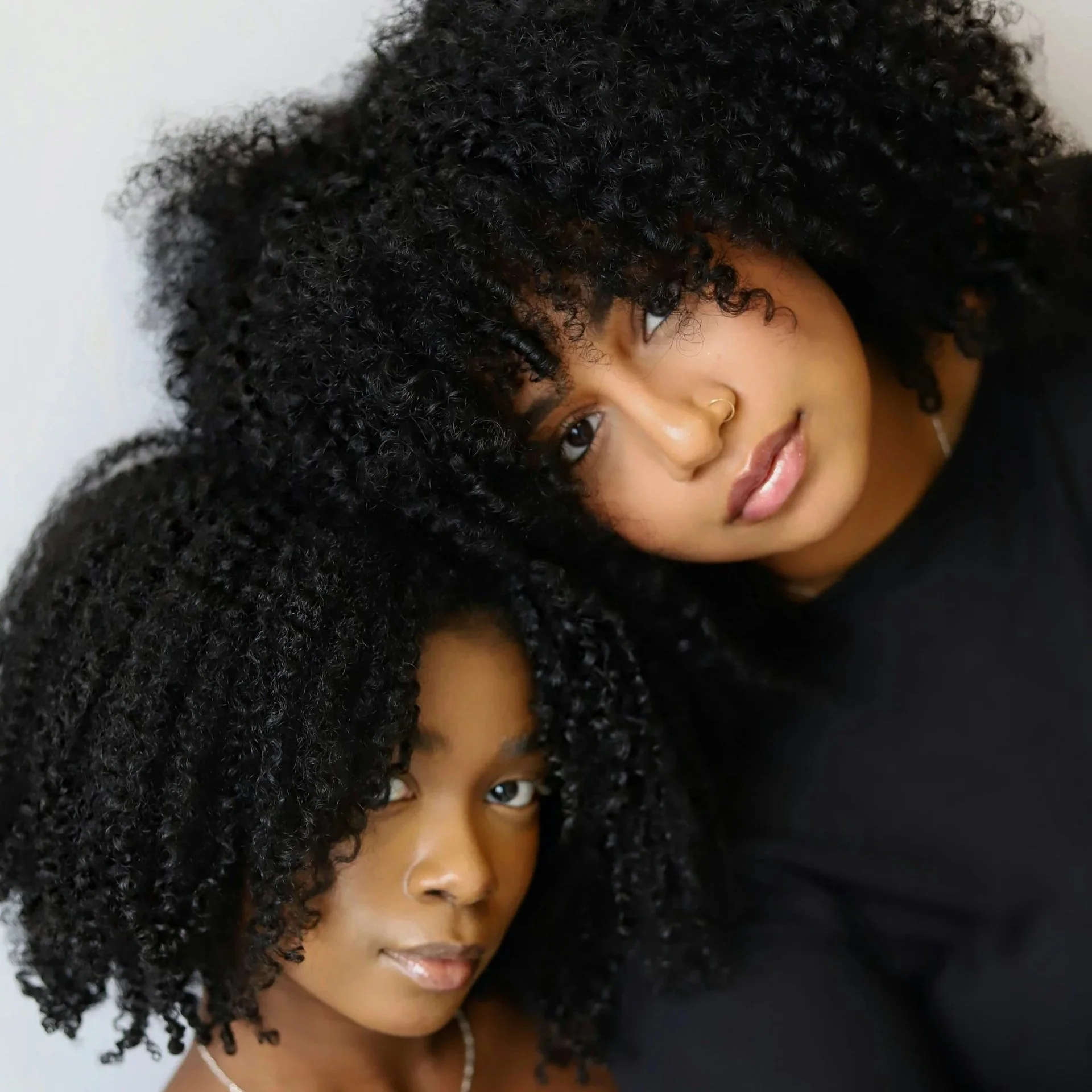
What is Type 4a Hair?
Type 4a hair has small, springy coils. Each strand twists and bends several times along its length.
This creates three important effects:
1. Natural dryness at the ends
Oil from your scalp has a hard time travelling down the hair strand. So the ends often feel dry even when your scalp is healthy.
2. Easy tangling
Since the strands are tightly curled, they catch on each other more easily. This often causes knots and tangles.
3. Shrinkage
When 4a hair gets wet, it shrinks into even tighter coils. This is completely normal and does not mean your hair is damaged.
Porosity: Why Your Hair Reacts Differently
Porosity refers to how easily your hair absorbs and retains water. While people often describe their hair as either low or high porosity, many individuals with Type 4a hair have a mixture of porosity levels across different areas of their head.
Low-porosity hair has a tightly packed cuticle layer that makes it more difficult for water and conditioning ingredients to enter the hair shaft. As a result, products may sit on the surface rather than being absorbed immediately, and hair often responds better to conditioning treatments when gentle heat is used to help moisture penetrate more effectively.
High-porosity hair, on the other hand, has a more open cuticle structure. This can occur naturally or develop over time through heat styling, colouring, or other forms of wear. Because the cuticle is more open, water enters the hair quickly but also escapes more easily. Hair with higher porosity may feel dry again soon after washing and often benefits from products that help seal in moisture and protect the cuticle.
Understanding porosity can explain why a product works well for one person but not another. In many cases, when people feel that their hair “doesn't like products,” the real issue is not the product itself but how easily moisture is able to move into and remain within the hair.
Important point
Many people think their hair “doesn’t like products.” In reality, it is usually about how easily moisture can move into the hair — not the product itself.
Environmental Factors in Germany
Your environment can have a bigger impact on your hair than you might think. In many parts of Germany, tap water contains relatively high levels of minerals such as calcium and magnesium. Over time, these minerals can build up on the hair, making it feel rougher, reducing slip during detangling, and causing products to seem less effective. This is not hair damage, but rather mineral buildup that can be removed with an occasional chelating shampoo containing ingredients such as EDTA.
Germany's changing seasons can also affect how Type 4a hair behaves. During winter, cold outdoor temperatures and dry air can cause hair to lose moisture more quickly, while summer humidity can make curls swell, frizz, and feel less defined. Because 4a hair consists of tightly coiled strands, it often reacts more noticeably to these environmental changes than straighter hair types.
Indoor heating is another factor that is easy to overlook. Heating systems used throughout the winter months reduce humidity levels indoors, which can leave hair feeling drier, more brittle, and harder to manage. For many people, the effects of prolonged exposure to heated indoor air are even more noticeable than the effects of hard water.
Simple 4a Hair Routine for Germany
Check your water (optional but helpful)
You can check your city’s water hardness on wasserhaerte.net.
If the number is above ~14°dH, you may notice buildup over time.
But don’t overthink this. It just means:
your hair may feel coated faster
detangling might be harder
1. Cleanse (gently, not too often)
Wash once a week or every 7–10 days with a sulfate-free shampoo. Focus on the scalp and let the rinse clean the lengths without scrubbing.
Use co-washing between washes if you need light cleansing without stripping moisture.
Hard water in Germany
Minerals like calcium and magnesium can build up on the hair over time. This can make hair feel coated and reduce how well products absorb.
Use a chelating shampoo (often labeled “Anti-Kalk,” “Schwimmer Shampoo,” or “Tiefenreinigung” in dm, Rossmann, or Müller) about once every 4–6 weeks if needed.
2. Deep condition every wash
Apply a rich conditioner from mid-lengths to ends every wash. A deep conditioner helps to soften your hair, reduce breakage, and improve moisture levels.
Add heat to improve absorption.
You can use:
a warm towel
a shower cap in a warm shower
a hooded dryer
Leave it in for 20–30 minutes.
What to look for in products
| Type | Ingredients | Why it helps |
|---|---|---|
| Humectants | Glycerin, Aloe Vera | Draw moisture into hair |
| Conditioners | Behentrimonium Chloride | Makes hair soft and easy to detangle |
| Proteins | Keratin, Panthenol | Helps strengthen hair |
| Curl support | Flaxseed extract | Helps define curls |
| Chelating agents | EDTA, Phytic Acid | Remove mineral buildup |
| Oils | Jojoba, Argan | Lock in moisture |
3. Moisturise and style in layers
Apply on damp hair in sections:
Leave-in conditioner → adds moisture and makes detangling easier.
Cream → helps keep hair soft and reduces dryness.
Gel or mousse (optional) → helps curls stay defined as they dry.
With Germany’s changing weather, this step helps your curls stay defined for longer.
The goal is not to use heavy products; it is to find balance.
4. Seal your ends
Ends dry out fastest because oils from the scalp don’t reach them.
Use a small amount of light oil:
jojoba oil
argan oil
Focus only on ends and very dry areas to lock in moisture after styling.
5. Style
Choose low-manipulation styles to reduce tangles:
loose banding
twists or braids
Sleep on satin or silk (bonnet or pillowcase) to reduce moisture loss and friction
Final Thoughts
A successful 4a hair routine in Germany is not about using more products—it is about using the right approach for your environment.
Once you account for hard water, seasonal dryness, and porosity, your routine becomes more predictable and effective.
The most important priorities are:
Gentle cleansing
Consistent deep conditioning
Moisture layering
Protecting hair from friction
Removing buildup when needed