
4b Hair Routine in Germany: How to Prevent Dryness and Breakage
If you have 4b hair and live in Germany, you've probably experienced this before.
You wash your hair, deep condition it, apply your products, and it feels soft and moisturized. Then a day or two later, it feels dry again. Detangling becomes harder, your ends feel rough, and breakage starts showing up where you least want it.
For many people with 4b hair, the combination of a naturally dry hair structure, hard water, indoor heating, and changing seasons makes moisture retention much more difficult than it should be.
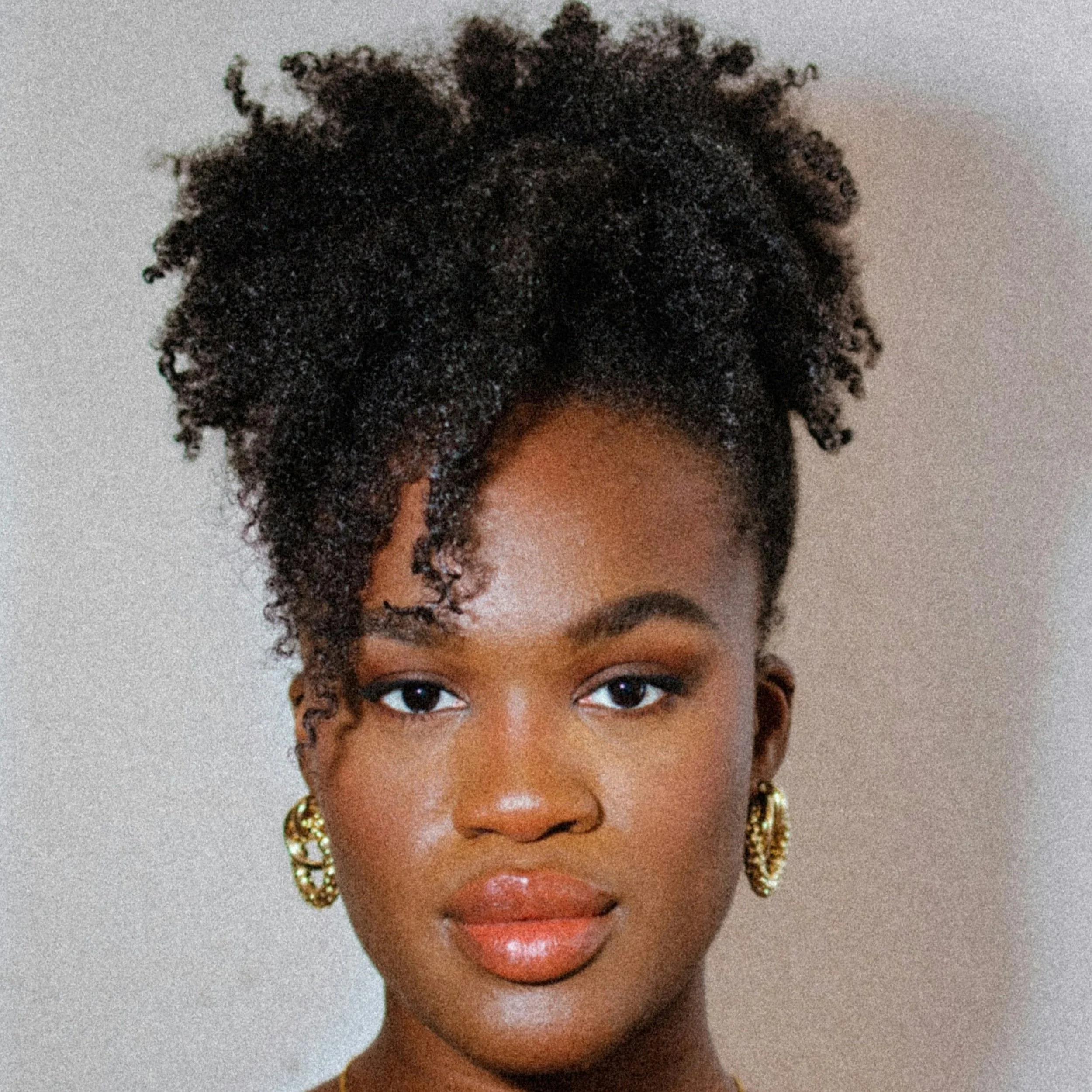
Why 4b Hair Gets Dry So Easily
Type 4b hair forms sharp bends along the strand rather than smooth spirals. Instead of creating defined S-shaped coils like Type 4a hair, the hair grows in a tighter zig-zag pattern.
This difference in shape affects how the hair behaves.
1. More fragile bend points
Every bend in a hair strand is a potential weak point. Because 4b hair has sharper angles than 4a hair, those points experience more stress during detangling, styling, and everyday handling.
This doesn't mean 4b hair is weak. It simply means it benefits from gentler handling and less manipulation.
2. Dryness shows up faster
Because of its zig-zag structure, moisture does not move through 4b hair easily. Natural oils struggle to reach the ends, which means dryness can appear more quickly and last longer.
This is why many people with 4b hair focus on keeping moisture in the hair rather than constantly adding more products.
3. Significate shrinkage
4b hair can shrink dramatically when it dries. Hair that appears chin length when stretched may look much shorter in its natural state. Shrinkage is actually a sign that the hair is elastic and healthy.
Why Hair Porosity Matters
Low porosity hair has a more closed cuticle. It tends to resist water at first, so it can take longer to fully saturate in the shower. Products may sit on the surface rather than absorbing easily, and buildup can show up quickly. Warmth often changes how it behaves: steam or covering the hair while conditioning can help the cuticle relax enough for moisture to enter. Lighter products usually work better here because heavy ones can sit on top without properly absorbing.
High porosity hair has a more open cuticle. It usually absorbs water quickly but loses it just as fast, which can leave the hair feeling dry soon after washing. In this case, moisture retention becomes the main challenge. Conditioning needs to be more consistent, and sealing after moisturizing matters because it helps slow down water loss. Heavier products are often more effective for this than very light ones.
Environmental Factors in Germany
Environmental factors in Germany can shift how Type 4b hair feels and behaves on a day-to-day basis. It is usually not one single factor, but a combination of water quality, climate, and indoor conditions.
Tap water in many German regions contains dissolved minerals such as calcium and magnesium. These minerals gradually attach to the hair shaft and can build up over time. The result is often a rougher feel, less slip during detangling, and products that seem less effective than usual.
Seasonal changes also play a clear role. During winter, cold air outside combined with low humidity leads to faster moisture loss from the hair. In summer, higher humidity levels can cause the hair to swell, frizz more easily, and lose definition. Because 4b hair has tightly coiled strands with many bends along the shaft, it tends to respond more strongly to these shifts than looser curl patterns.
Indoor heating adds another layer. Heating systems commonly used in winter significantly lower indoor humidity. This can leave the hair feeling drier, less soft, and more prone to breakage if moisture is not regularly replenished.
A Simple 4b Hair Routine
The goal is to keep the hair moisturized, reduce breakage, and make styling easier throughout the week.
1. Detangle before washing
4b hair knots easily due to its zig-zag structure, especially at the ends where single-strand knots form.
Detangle on dry or slightly damp hair before washing, section by section. Start with fingers, then use a wide-tooth comb if needed. Add conditioner or oil for slip if hair is very dry.
This reduces breakage and prevents knots from tightening once water is added.
2. Cleanse gently (and not too often)
Wash once a week or every 7–10 days with a sulfate-free shampoo. Focus on the scalp and let the rinse clean the lengths — avoid scrubbing the strands.
Minerals like calcium and magnesium can build up on the hair, making it feel rough and reducing product absorption. A chelating shampoo (EDTA, phytic acid, or sodium gluconate) once a month helps remove this buildup. Always follow with deep conditioning.
3. Deep condition every wash day
This is essential for 4b hair.
Apply a rich conditioner from mid-lengths to ends, then add heat (towel, shower cap, or hooded dryer) for 20–30 minutes. Heat helps the product penetrate instead of sitting on the surface.
4. Moisture layering (LOC method)
Apply while hair is still wet:
Liquid: water or leave-in → adds moisture
Oil: jojoba/argan → seals moisture in
Cream: butter or curl cream → slows moisture loss
Work in sections to avoid the hair drying mid-process.
In colder months or heated indoor environments, adding a light gel on top can help lock in hydration longer.
5. Give Extra Attention to the Ends
Ends are the oldest and driest part of the hair and need extra protection after LOC.
Low porosity: light oils like jojoba or argan
High porosity: heavier sealants like castor oil or butters
Keep this step minimal but consistent.
6. Protect Your Hair at Night
Nighttime friction can contribute to dryness, tangles, and breakage.
Protective options include:
Banding (loose sections with soft ties)
Twists or braids (also create defined styles)
Sleep on satin or silk to prevent moisture loss. Cotton absorbs moisture and increases dryness.
What to look for in products
| Type | Ingredients | Why it helps |
|---|---|---|
| Humectants | Glycerin, Aloe Vera | Supports moisture intake |
| Conditioners | Behentrimonium Chloride | Improves slip and reduces friction |
| Proteins | Keratin, Panthenol | Supports weak bend points |
| Film-formers | Flaxseed extract | Helps maintain moisture balance |
| Chelating agents | EDTA, Phytic Acid | Removes mineral buildup |
| Oils/Butters | Shea, Castor, Argan | Stabilises moisture retention |
Final Thoughts
The best 4b hair routine in Germany focuses on one thing above all else: moisture retention.
Because 4b hair naturally struggles to distribute oils along the strand, and because hard water and dry indoor environments can make moisture loss worse, the goal is not to use more products. It's to create a routine that helps moisture stay in the hair for longer.
A consistent wash day routine, regular deep conditioning, occasional chelating treatments, and nighttime protection can make a noticeable difference in how your hair looks, feels, and responds throughout the week.